
Ada Lovelace is widely recognized as the world’s first computer programmer. In 1843, she wrote what historians consider the first algorithm intended for a machine, long before modern computers existed. Her work on the Analytical Engine, designed by Charles Babbage, introduced the revolutionary idea that machines could process more than numbers—they could manipulate symbols, patterns, and even create music or art.
Today, Lovelace’s vision forms the foundation of modern software development, artificial intelligence, and computational logic, making her one of the most influential figures in the history of computing.
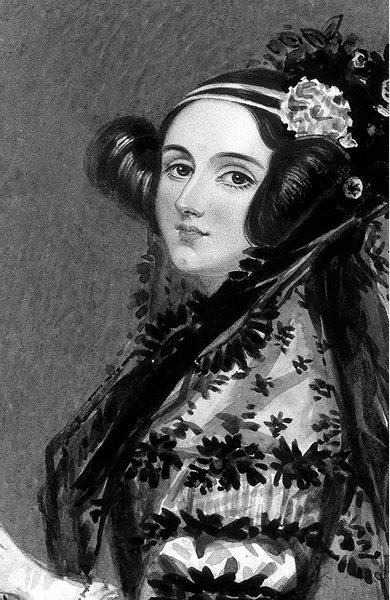

Born in 1815 in London, Ada Lovelace showed an extraordinary aptitude for mathematics and analytical thinking from a young age. She was the daughter of poet Lord Byron, but her education focused heavily on mathematics and science to cultivate logical reasoning.
Her mentors included leading mathematicians of the time, and through intellectual circles she eventually met Charles Babbage, whose groundbreaking designs for mechanical computing machines fascinated her. Lovelace quickly became deeply interested in Babbage’s vision of automated computation.
The partnership between Ada Lovelace and Charles Babbage became one of the most important collaborations in technological history.
Babbage designed the Analytical Engine, a conceptual machine capable of performing calculations using punched cards and mechanical gears. While the machine itself was never fully built during his lifetime, Lovelace saw something far greater in its potential.
She understood that this machine could process instructions and perform sequences of operations, similar to how modern computers execute programs. This insight was revolutionary.
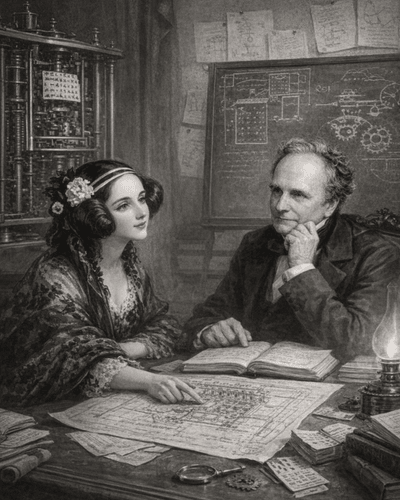
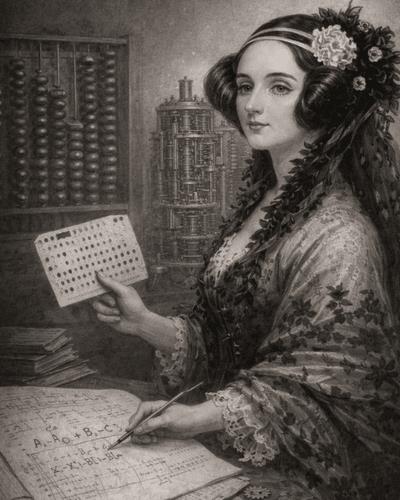
In 1843, Ada Lovelace translated a scientific paper about the Analytical Engine written by Italian mathematician Luigi Menabrea. While translating the document, she added extensive notes that became three times longer than the original paper. One of these notes—Note G—contained a detailed method for calculating Bernoulli numbers, written as a sequence of machine instructions.
This algorithm is widely recognized as the first computer program in history. Her work demonstrated that a machine could follow instructions step by step to perform complex calculations.
Lovelace’s greatest contribution was not only writing the first algorithm but also imagining the broader capabilities of computing machines. She predicted that machines like the Analytical Engine could eventually:
These ideas anticipated the development of modern computers, programming languages, and artificial intelligence systems. Her visionary thinking helped shape the philosophy of computing long before electronic computers were invented.
Modern programming languages and software development owe a conceptual debt to Ada Lovelace’s insights. Her work laid the foundation for:
Today, programming languages and AI systems follow principles similar to those Lovelace described nearly two centuries ago. Her legacy continues in modern fields such as:
The history of computing often begins with mechanical devices like the Abacus, but Ada Lovelace introduced the idea of software—the instructions that guide machines. Her insight bridged the gap between mechanical computation and modern digital programming, influencing generations of computer scientists and engineers.
Today’s advanced technologies—from cloud computing to AI—trace their conceptual origins back to the visionary thinking of Ada Lovelace.
Key Facts About Ada Lovelace:
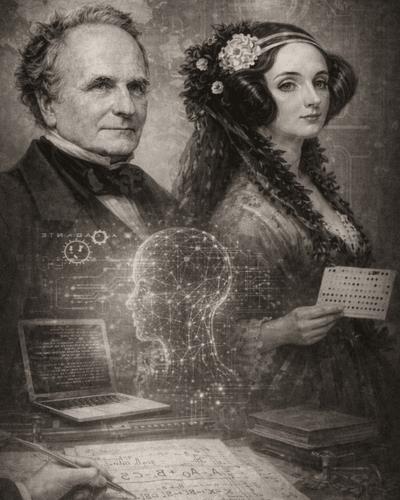
The partnership between Ada Lovelace and Charles Babbage became one of the most important collaborations in technological history.
In the modern digital era, Ada Lovelace’s ideas remain incredibly relevant. The concept that machines can follow logical instructions to process information is the foundation of software development, artificial intelligence, and digital innovation.
Organizations building modern technology—such as Aayan Infotech —continue the legacy of early computing pioneers by developing advanced digital solutions that transform how businesses and people interact with technology.
Ada Lovelace’s visionary thinking reminds us that the future of computing begins with imagination, curiosity, and bold ideas.