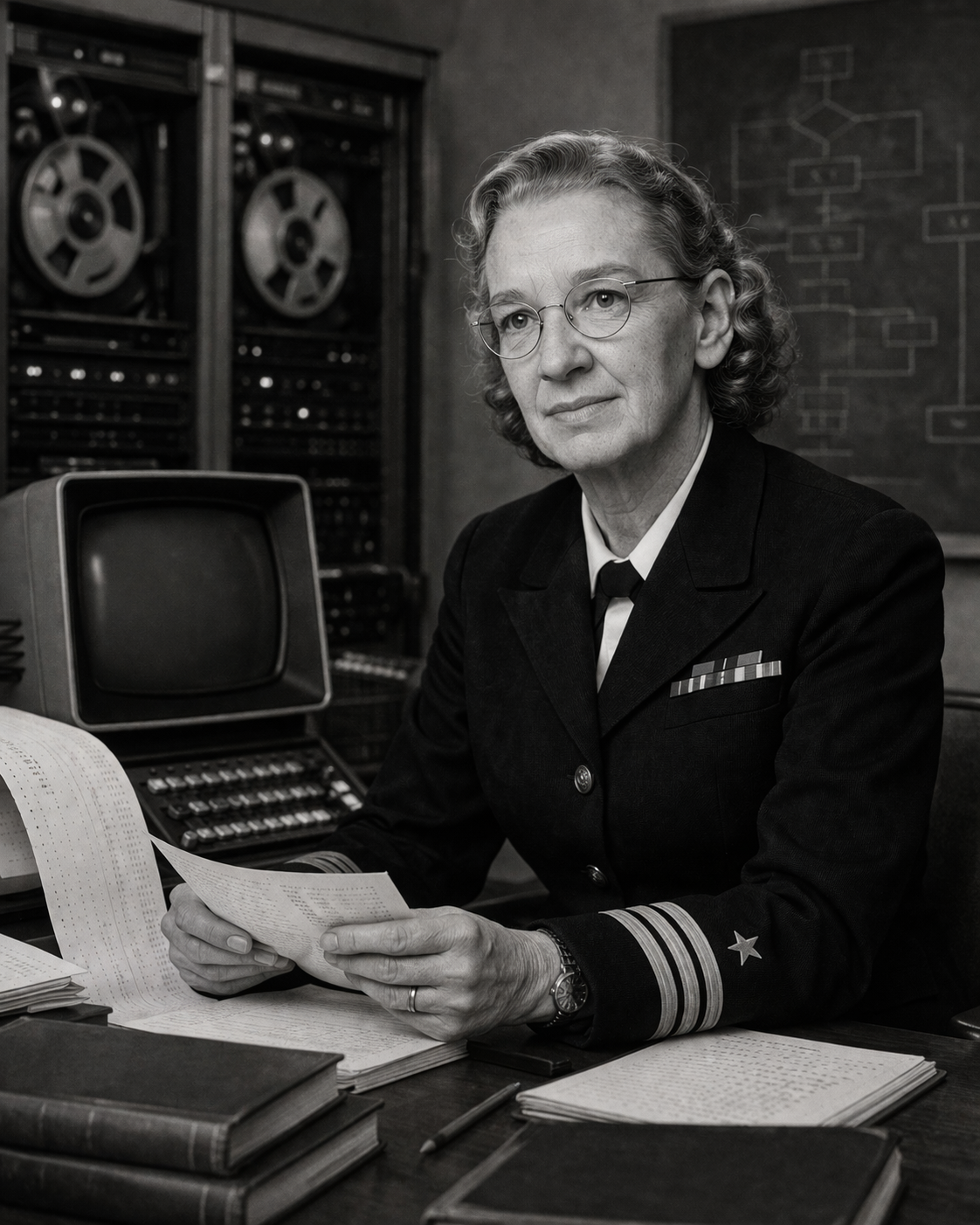
Grace Hopper stands among the most important innovators in computer history. She changed how people communicate with machines and helped make programming easier for everyone. Many experts call her the “Mother of Modern Programming” because her work shaped software development across industries.
She created early compiler systems, supported machine-independent coding, and guided the development of COBOL. Her ideas helped move computing beyond hardware specialists and into business, education, and government.
Today, software engineers, AI developers, and technology companies still use principles that reflect her vision. Grace Hopper proved that technology grows faster when people remove barriers and simplify complex systems.
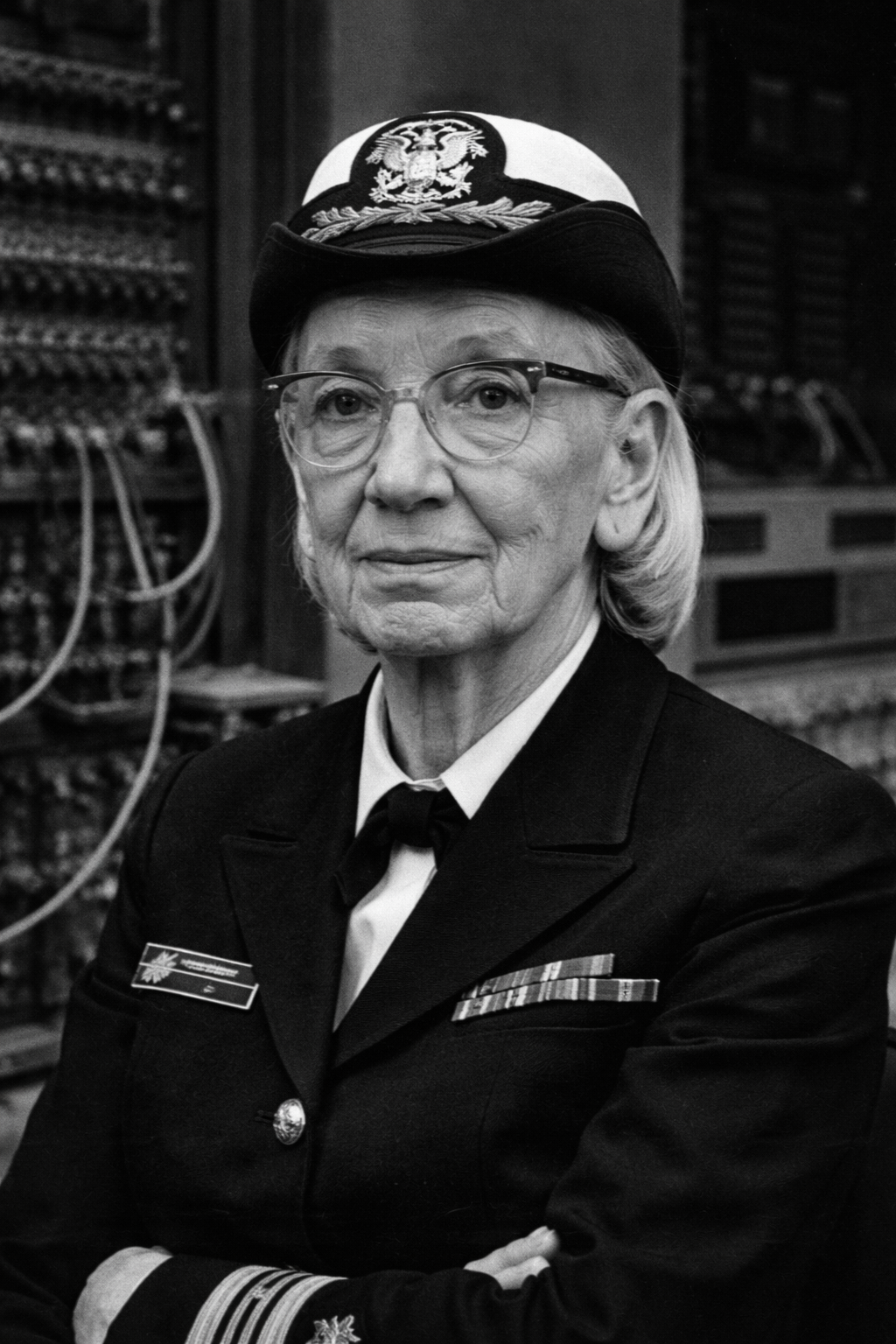
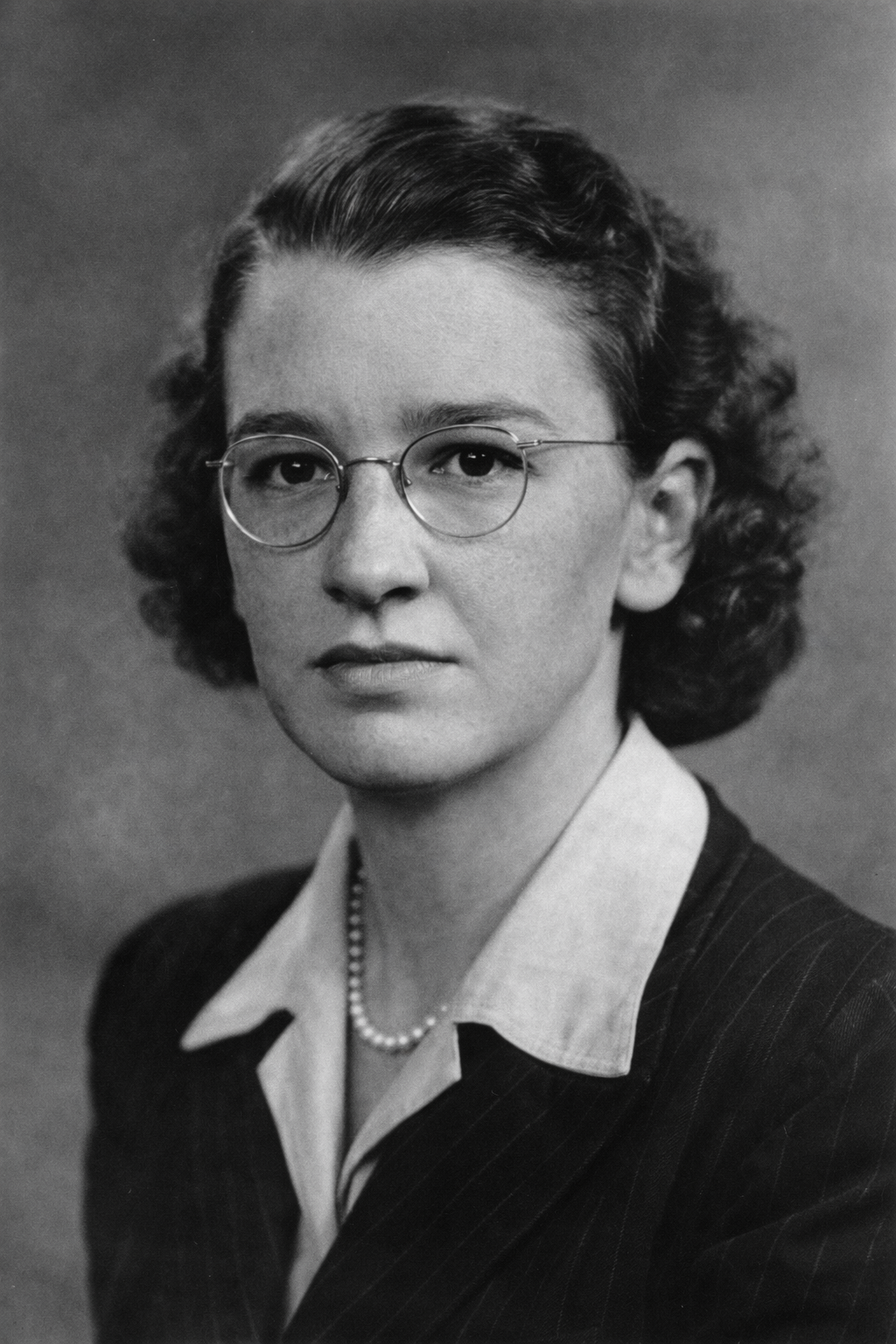
Grace Hopper was born in 1906 in New York City. She showed curiosity and strong analytical skills at an early age. She enjoyed mathematics, problem solving, and discovering how things worked.
She studied mathematics and physics at Vassar College. Later, she earned a master’s degree and a Ph.D. in mathematics from Yale University. This academic foundation gave her the tools to solve complex technical challenges.
Before entering computing, she taught mathematics. Her teaching experience later helped her explain difficult ideas in simple ways. That skill became one of her greatest strengths.
During World War II, Grace Hopper joined the U.S. Navy Reserve. She worked on the Harvard Mark I computer, one of the earliest large-scale electromechanical computing systems.
Her role included programming calculations for military operations. She quickly became known for precision, discipline, and technical insight.
Working on early computers gave her direct experience with machine logic and programming limitations. She saw that coding needed better methods. That realization influenced the next stage of her career.
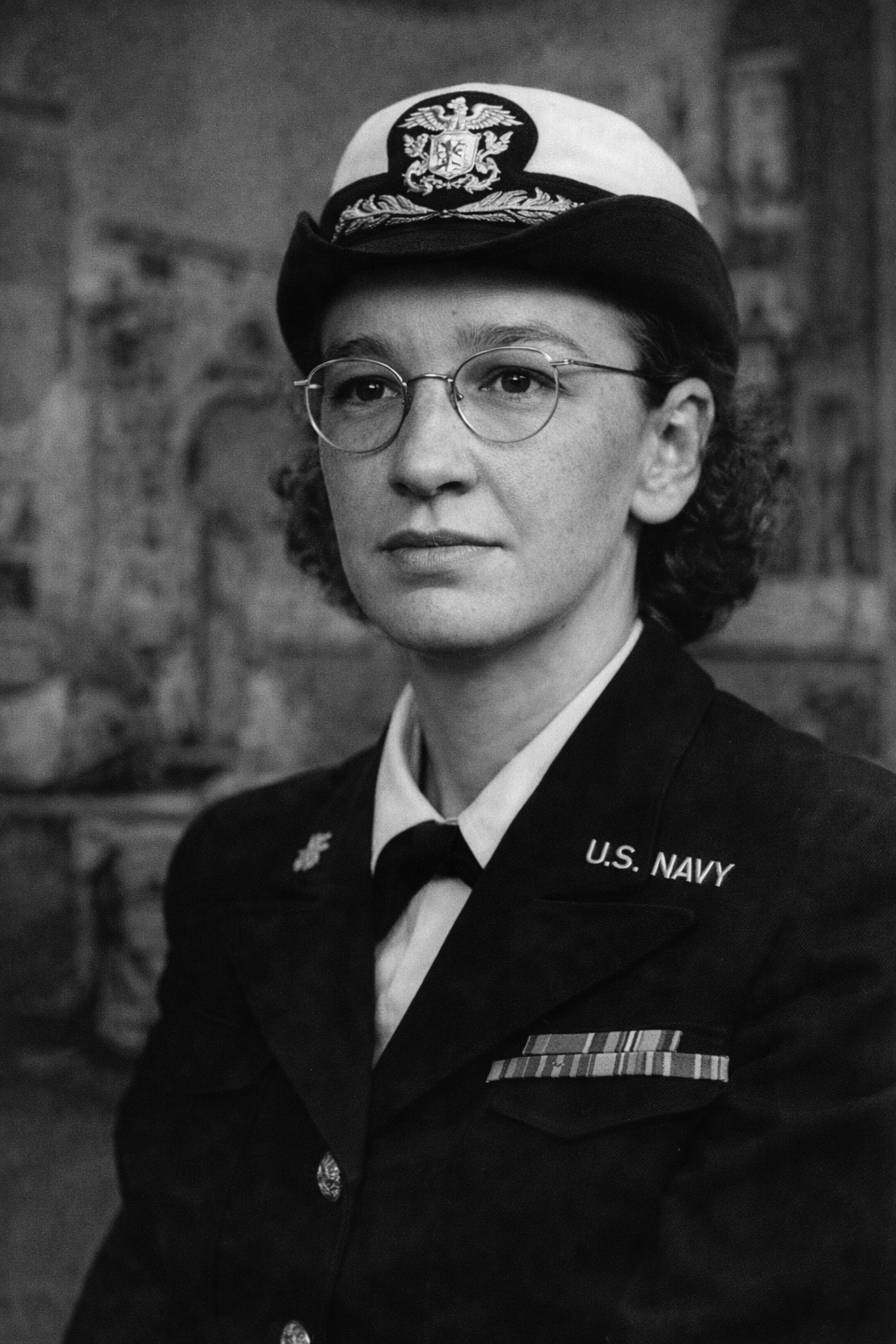
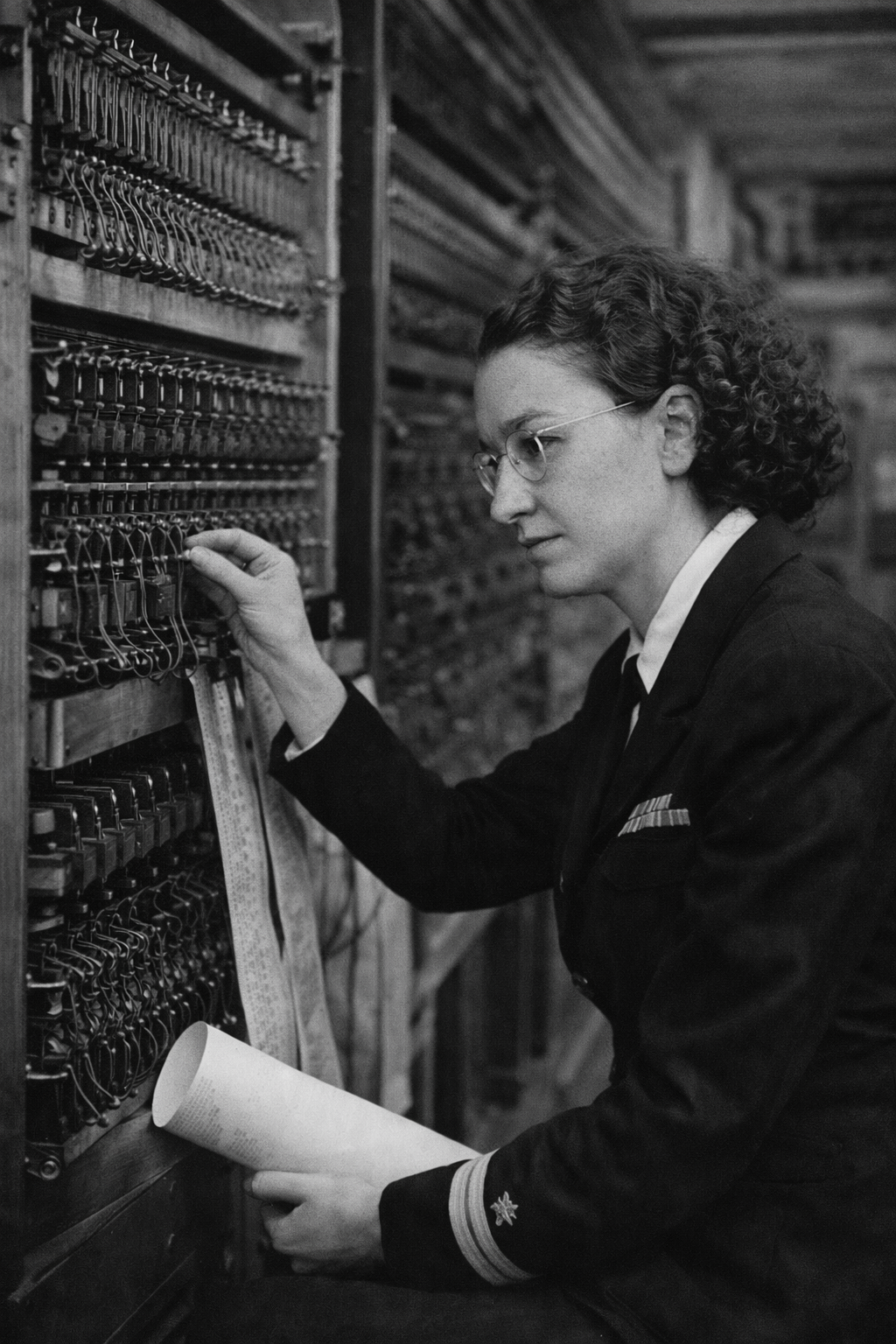
The Harvard Mark I required detailed instructions and careful setup. Programming such machines took time and patience. Engineers often worked close to the hardware itself.
Grace Hopper helped develop programs for complex calculations. She also wrote documentation that improved understanding of machine operations.
This work taught her an important lesson. Computers would become more useful only when programming became faster, clearer, and more accessible. That belief guided many of her later breakthroughs.
One of Grace Hopper’s greatest achievements was the development of the compiler concept. A compiler converts human-readable instructions into machine code.
Before compilers, programmers often wrote code in low-level formats. That process slowed progress and limited who could build software.
Grace Hopper believed computers should adapt to people, not the other way around. She led efforts that turned this idea into reality.
Her compiler work delivered several benefits:
Modern software tools still rely on this same core principle.
The compiler transformed computing from a specialist activity into a scalable industry. Businesses could now create systems faster and update them more easily.
Developers gained time to solve real problems instead of managing machine-level commands.
This shift helped create the modern software economy. It also opened doors for future programming languages, application platforms, and enterprise systems. Without this innovation, software growth would have moved much slower.
Grace Hopper was not only a scientist. She was also a leader, mentor, and speaker. She challenged slow thinking and encouraged bold action. She often told teams to question old limits. If a process wasted time, she wanted a better one.
Her leadership style focused on results, learning, and courage. She inspired generations of engineers to experiment and improve systems. Many technology leaders still quote her advice today.
Modern software development reflects Grace Hopper’s ideas in many ways
Her influence appears in:
Every time a programmer writes readable code, uses a compiler, or deploys business software, her legacy appears in action.
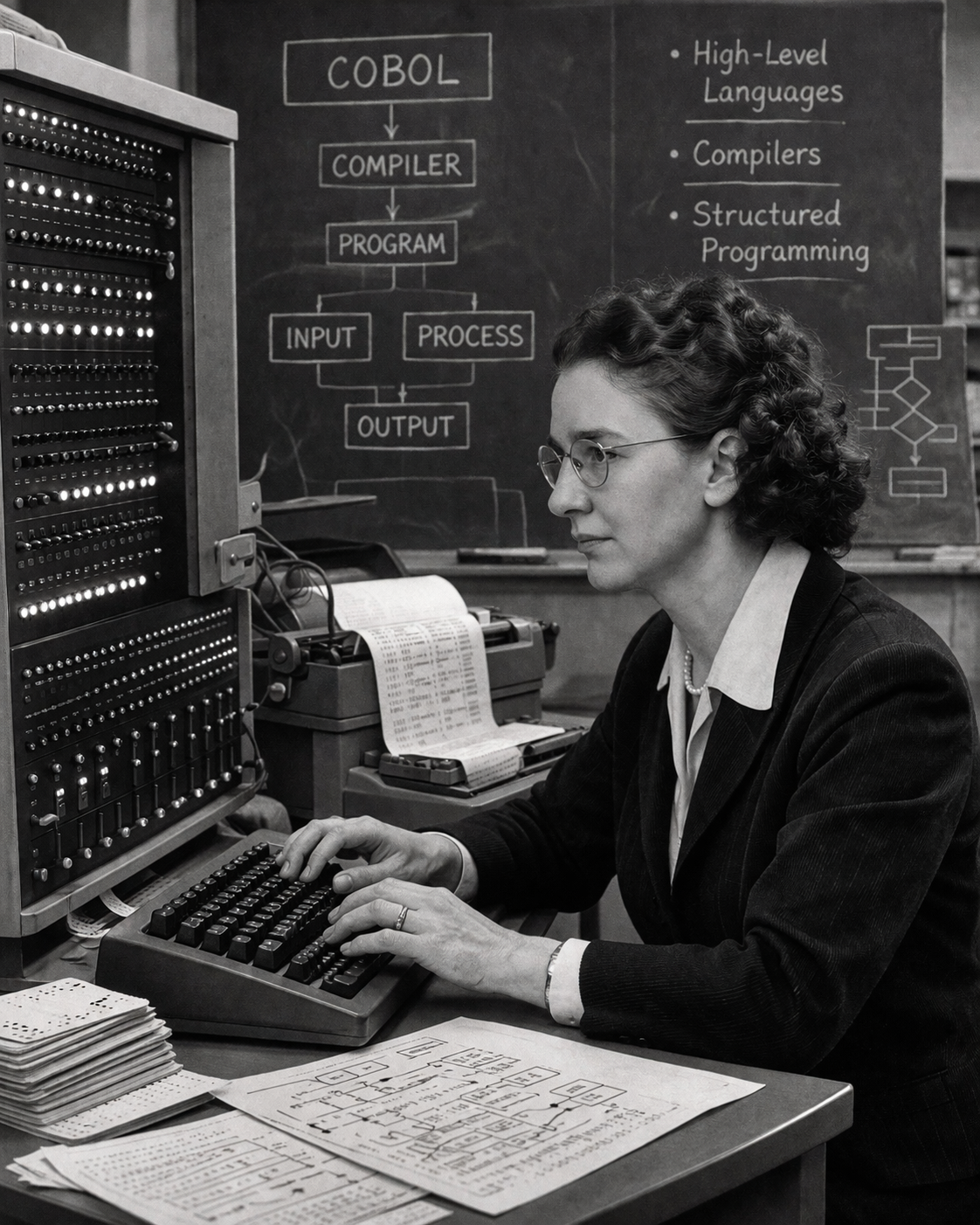
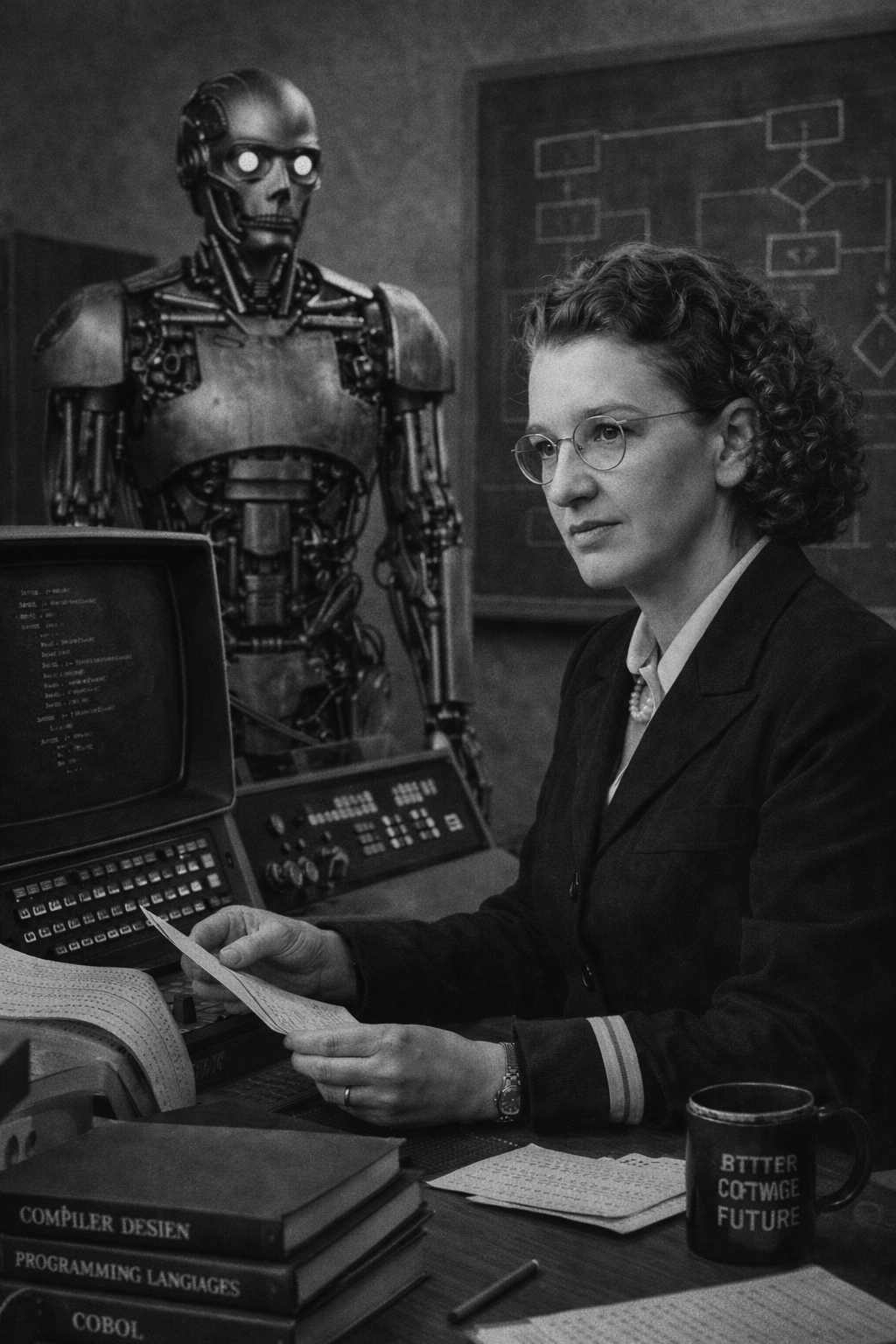
Grace Hopper worked before modern AI tools existed, yet her ideas support today’s intelligent systems. AI depends on software frameworks, structured logic, reusable code, and efficient programming tools. Hopper helped establish these foundations.
Machine learning systems need scalable software environments. Automated systems need reliable code translation and execution. Those concepts align with the path she helped create. Her work belongs not only to history, but also to the future of computing.
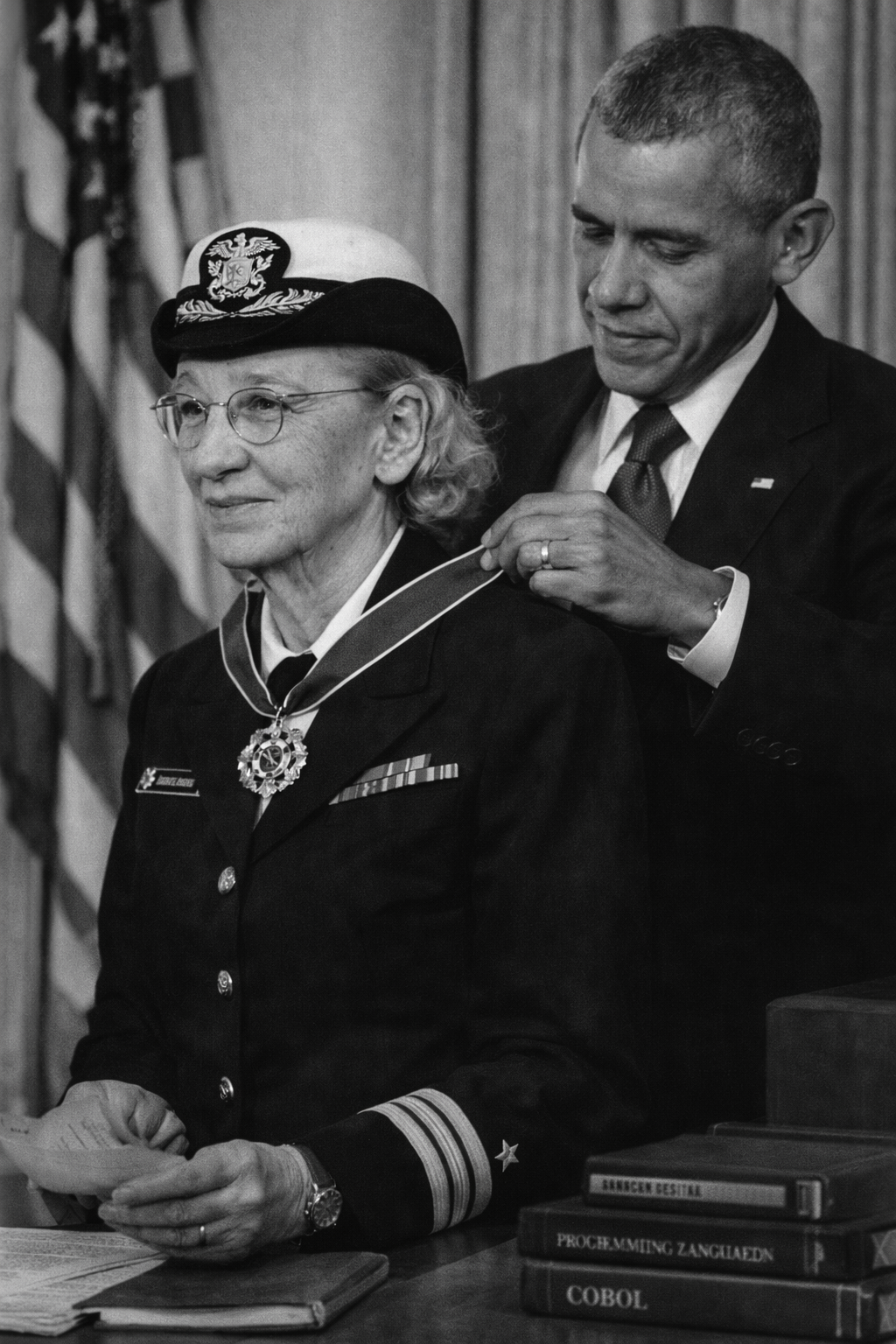
Grace Hopper received broad recognition for her contributions to technology and public service.
Her legacy is honored through:
The Grace Hopper Celebration also honors her name and inspires professionals worldwide.
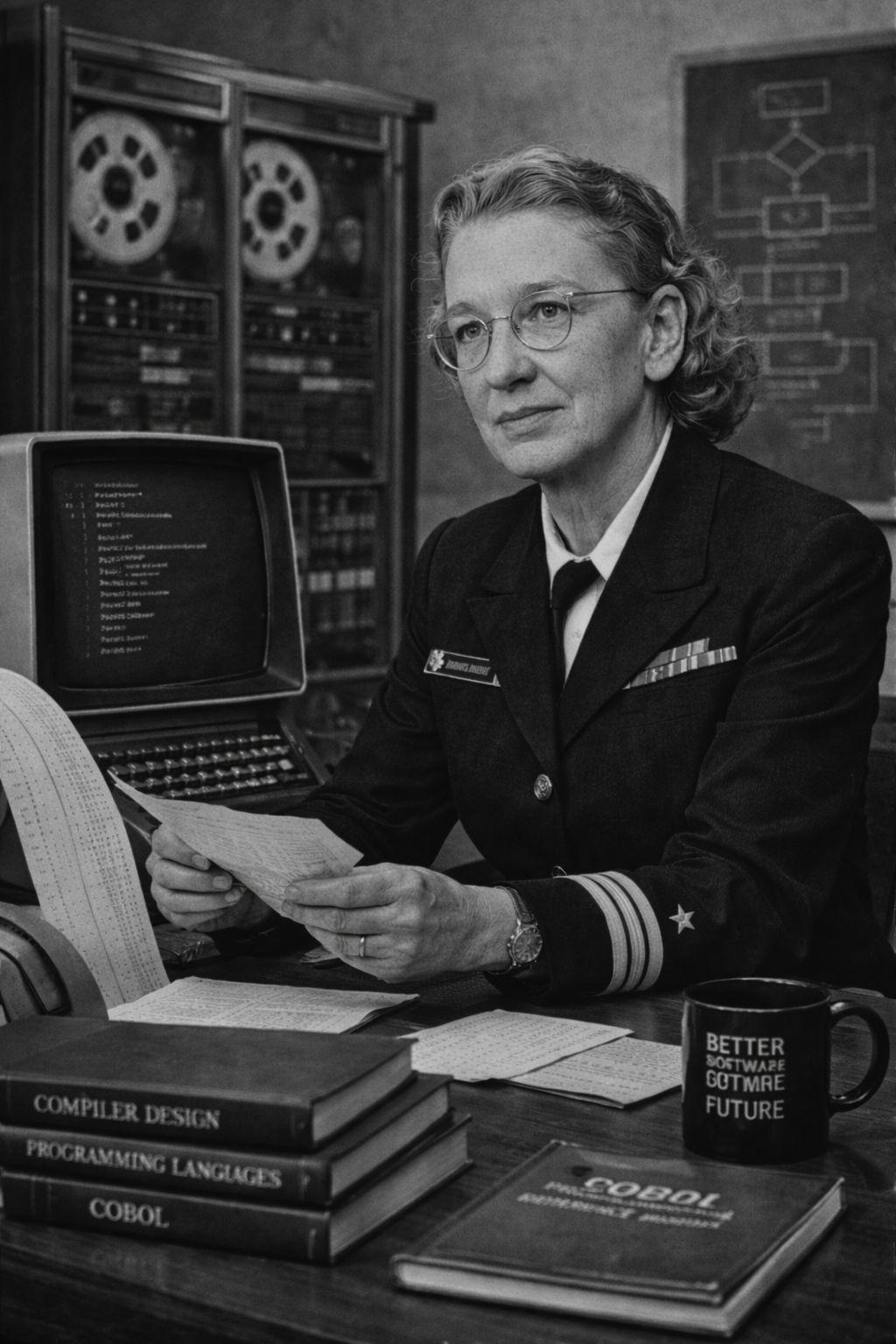
The story of computing includes hardware pioneers, mathematical theorists, and software innovators. Grace Hopper stands at the center of the software revolution.
She helped bridge major transitions:
Her work helped transform computers into tools that serve society at scale.
Key Facts About Grace Hopper :
Grace Hopper’s ideas remain essential in the digital age. Businesses need efficient software. Developers need better tools. Organizations need systems that scale and adapt. She showed that innovation often begins with a simple question: why must this be so hard?
That mindset drives progress in software engineering, automation, and AI today. Aayan Infotech building advanced AI and digital solutions continue to benefit from the path she helped create. Her legacy reminds us that great technology should empower people, solve problems, and simplify complexity.